All Insights

AI Architecture

5 articles

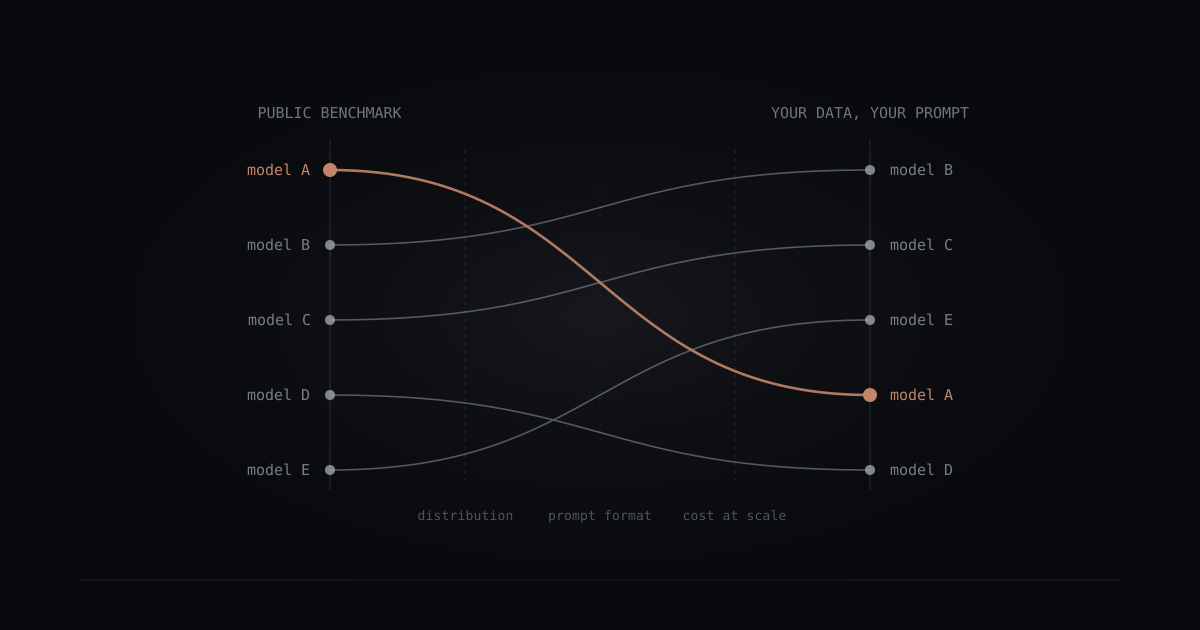
A slope chart in which model A, ranked first on the public benchmark, drops to fourth on your own data and prompt.

Evaluating LLMs for production: what benchmarks don't tell you

Public benchmarks measure what models can do under controlled conditions. Production performance depends on how models behave on your data, in your context, against your quality criteria. Here is how to build an evaluation that actually predicts production outcomes.
LLM EvaluationAI EngineeringProduction AIAI ArchitectureModel Selection
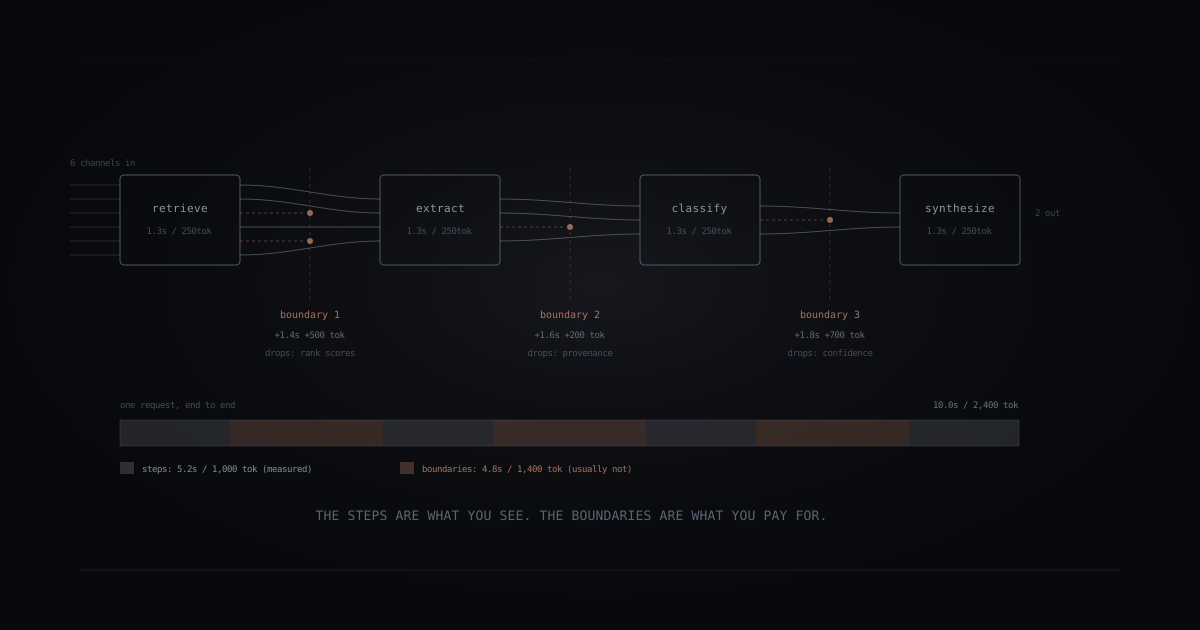
Four step AI pipeline where a bundle of information channels narrows from six to two across three highlighted boundaries, each annotated with added latency and dropped fields, above a segmented bar splitting total cost between steps and boundaries.

The hidden cost of context switching in AI workflows

Multi-step AI workflows lose information at every boundary. The handoff between steps is where accuracy degrades, latency compounds, and cost accumulates. Most teams do not measure it.
AI WorkflowsAutomationProduction AIAI ArchitectureMulti-Agent Systems
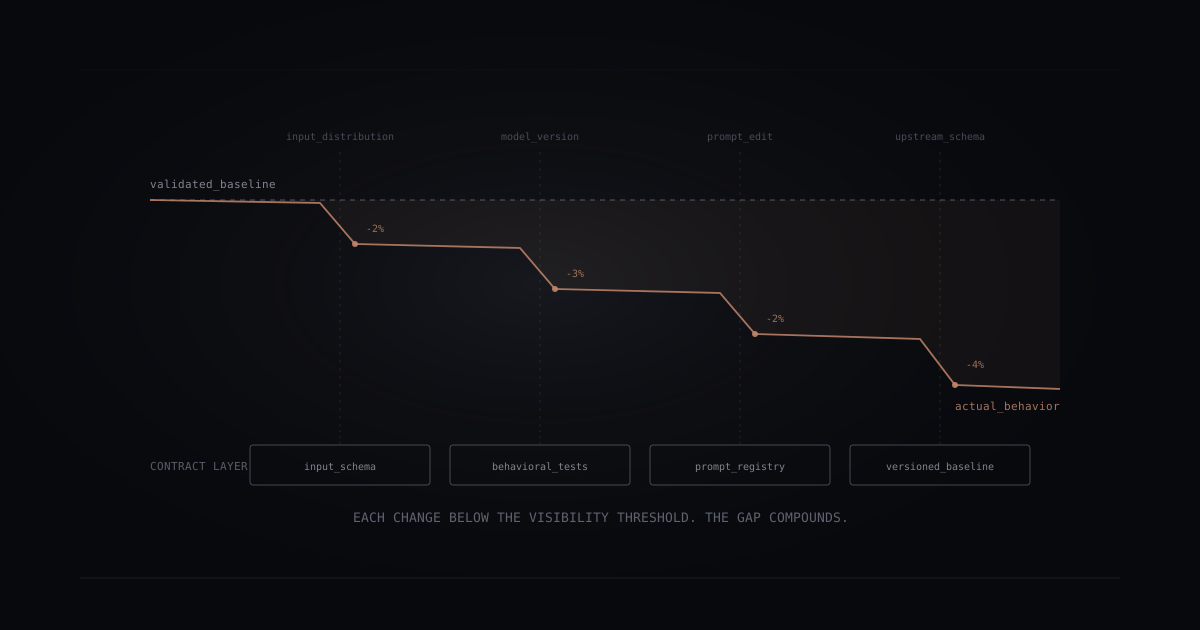
A flat dashed validated baseline with an actual behavior trace stepping down through four labeled change events, opening a widening shaded gap above a detached row of contract layer boxes.

Why AI systems drift without contracts

AI systems rarely fail loudly. They drift because the assumptions behind inputs, outputs, and behavior are never made explicit enough to enforce.
AI ArchitectureProduction AIAI StrategyAI EngineeringTechnical Debt
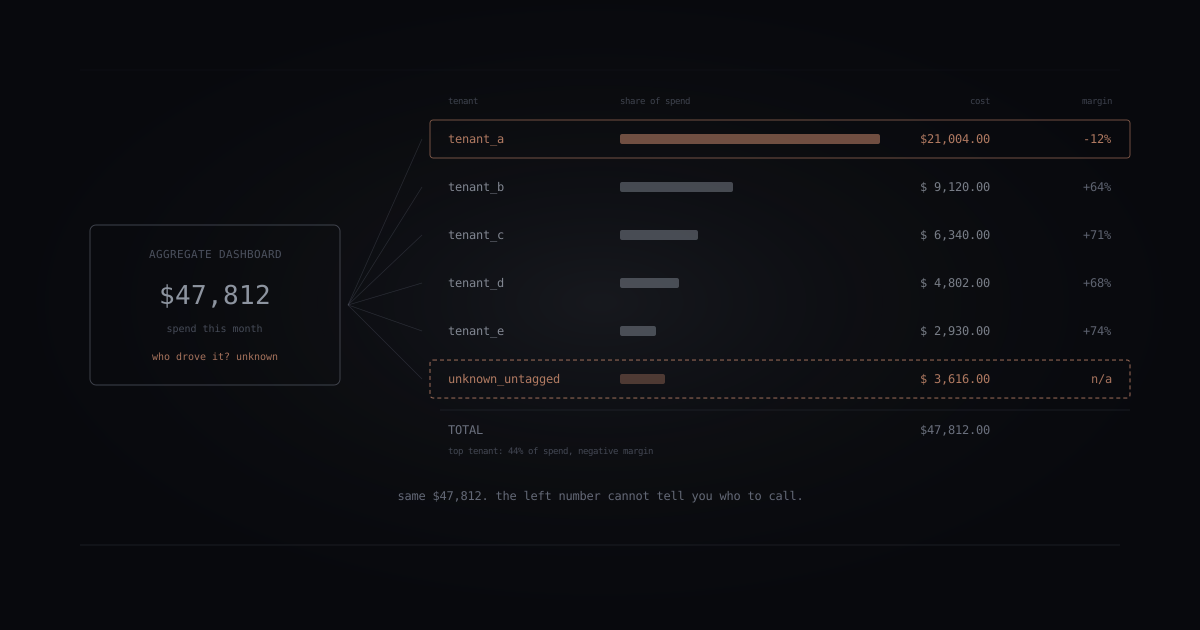
A single aggregate spend figure fanning out into a six row per tenant cost ledger where one tenant consumes 44 percent of spend at negative margin and an untagged unknown bucket is flagged in orange.

Per-tenant AI cost attribution: why aggregate dashboards are not enough

Aggregate AI spend hides who is driving cost. Per-tenant attribution shows who to charge, who is profitable, and where margins leak.
AI CostMulti-TenantProduction AIPlatform DevelopmentAI Architecture
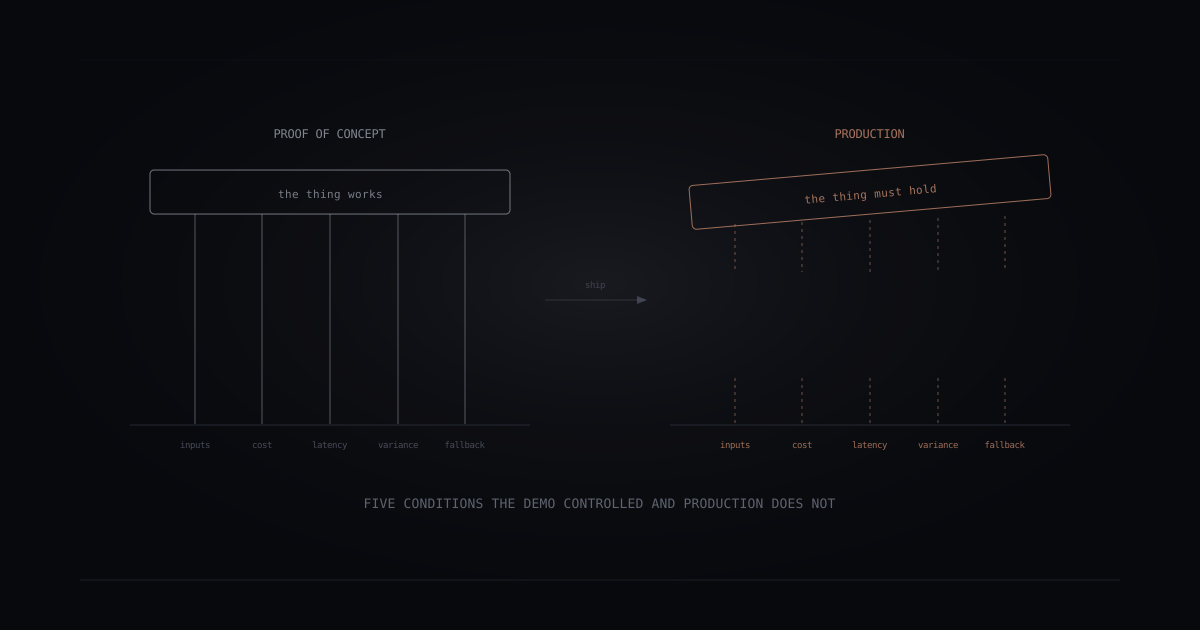
Two versions of the same platform, one resting level on five intact support struts labeled inputs, cost, latency, variance and fallback, the other tilting over five struts snapped in the middle.

Why your AI proof of concept works but your product doesn't

AI proofs of concept work under curated conditions: controlled inputs, invisible costs, no latency limits. Production removes every one of them.

Production AIAI EngineeringPlatform DevelopmentDeploymentAI Architecture