

The AI vendor due diligence checklist
Traditional procurement criteria miss the AI vendor risks that matter. What to ask about production reliability, data handling, model versioning, and lock-in.

Why AI features need different success metrics
Measuring AI features with traditional software metrics produces misleading signal, misallocated investment, and systems that optimize for the wrong outcomes.

The case for boring AI
The most value from AI comes not from sophisticated systems but from narrow, reliable ones that handle specific tasks predictably and at scale.

The AI skills gap is not what you think it is
The real AI shortage is not ML engineers. It is domain experts who can evaluate AI outputs, and organizations that know what they want before they start hiring.

What AI systems need from product managers
Traditional PM frameworks miss AI feature requirements, producing poorly specified features, misaligned success metrics, and avoidable production failures.

How to measure AI feature success
AI features fail in ways standard product metrics miss: users can be unhappy without errors rising. Measuring AI success needs different instrumentation.

How AI changes the economics of software development
AI coding tools compress parts of the development cycle, but not the expensive parts. Knowing where real costs live changes how to read productivity claims.
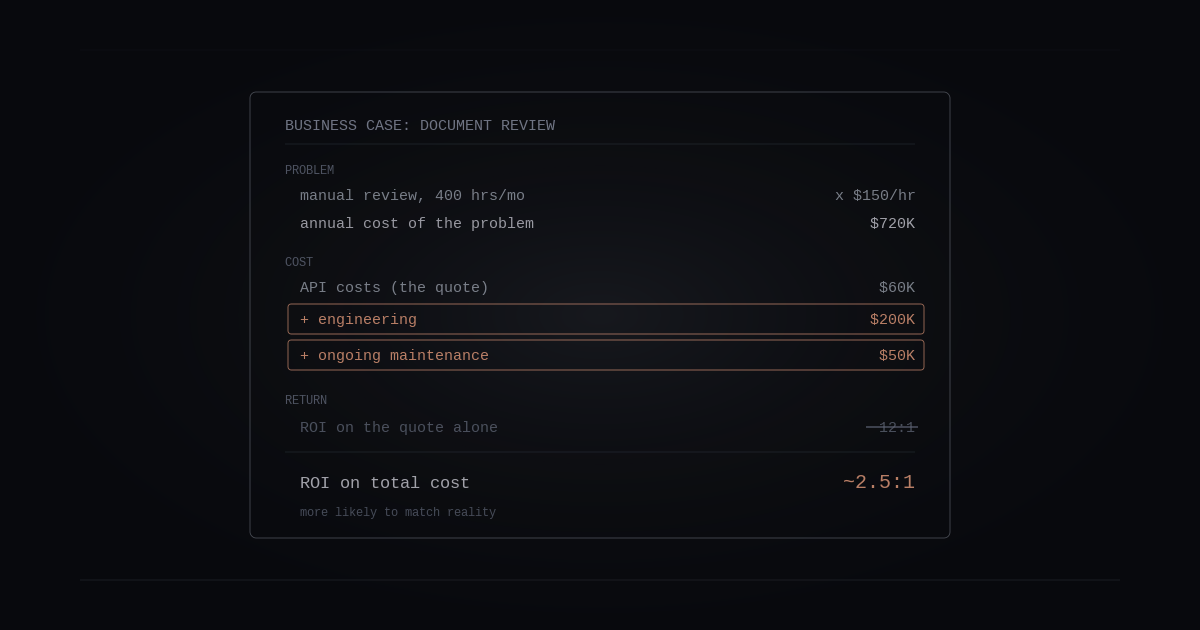
How to make the business case for AI investment
Most AI investment proposals fail because they are framed around capability, not outcome. How to build a case that finance and leadership will approve.
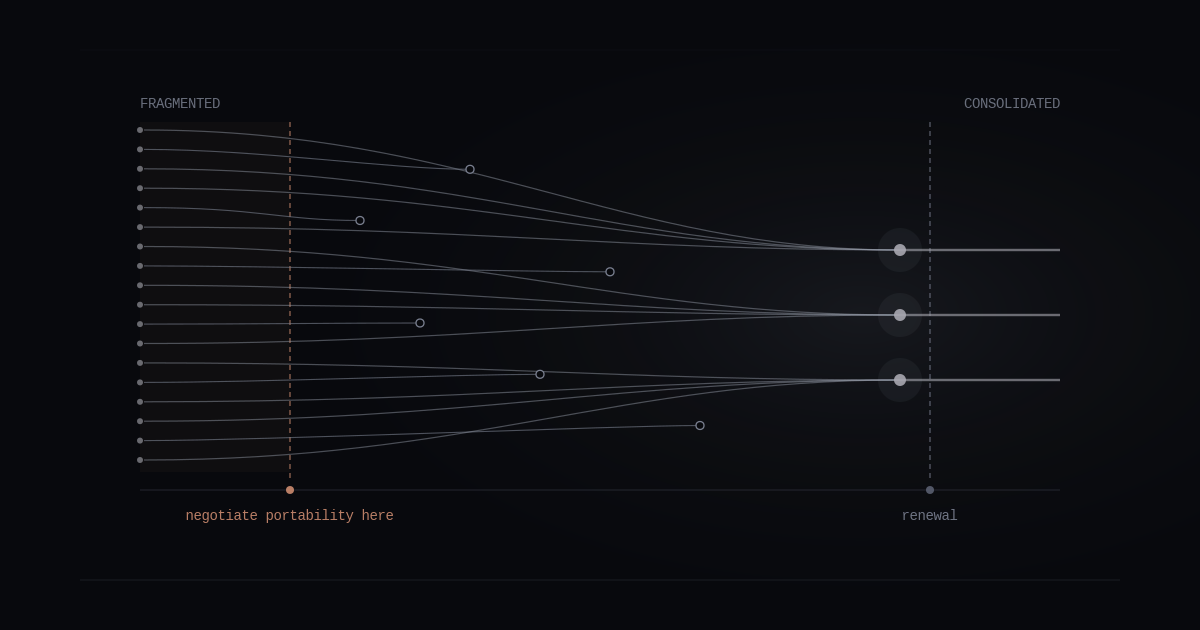
The AI vendor landscape is consolidating: what it means for buyers
Credible AI infrastructure vendors are shrinking in number. For enterprise buyers, that changes procurement in ways most evaluation frameworks miss.
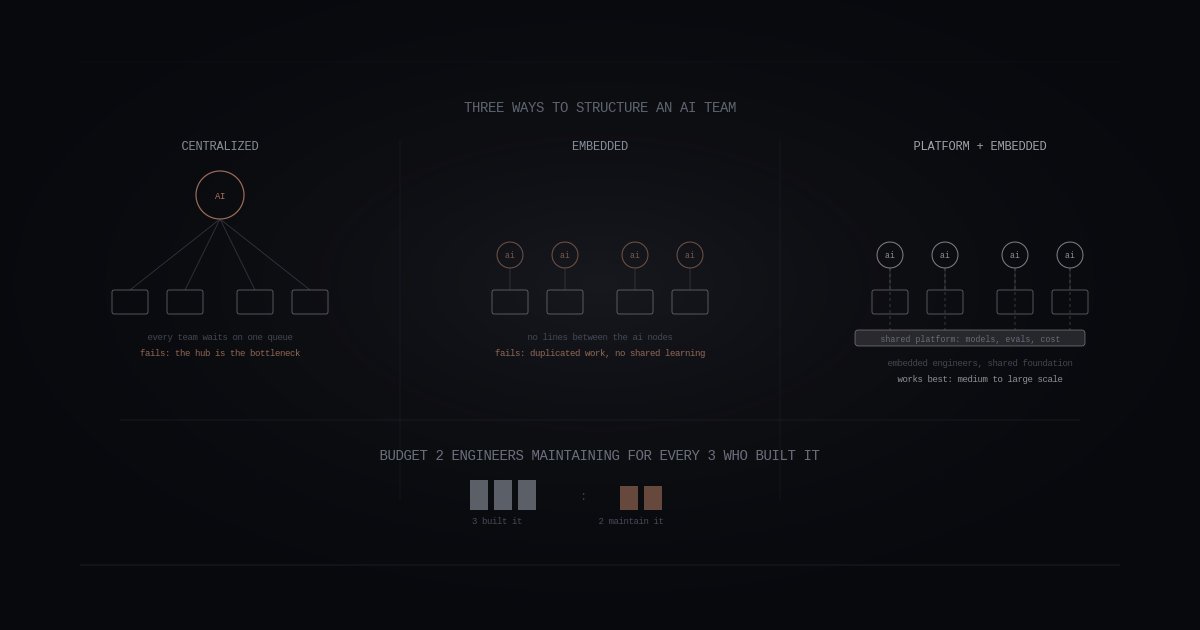
How to structure an AI team
There is no single correct AI team structure, only ones that fit specific contexts and ones that create predictable failure modes. How to tell the difference.
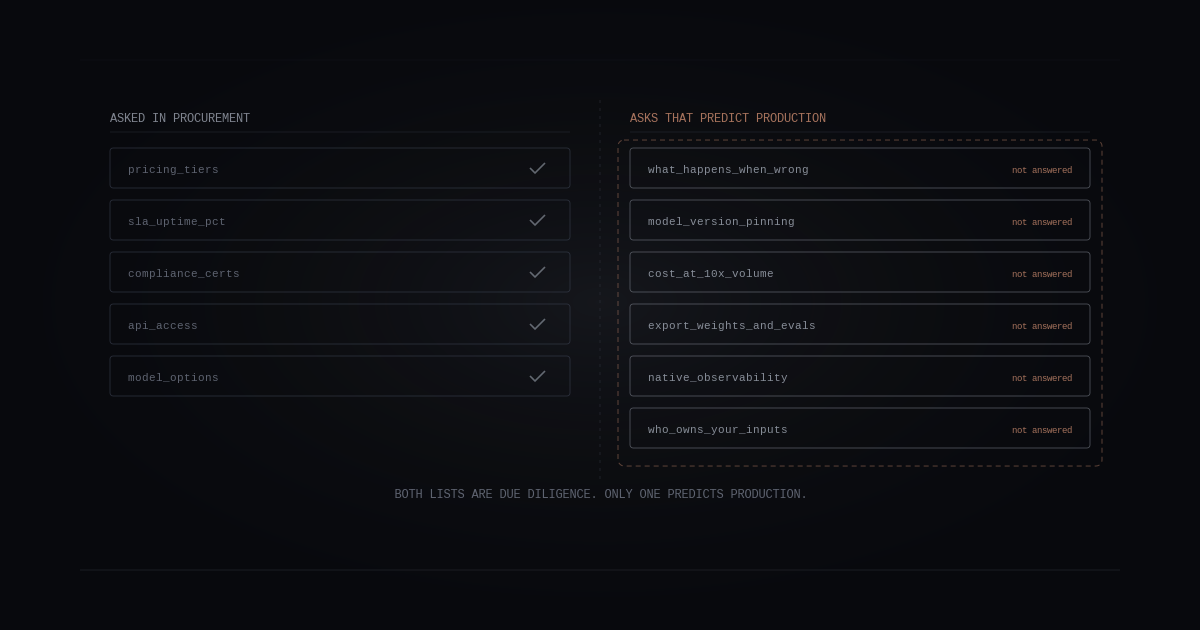
What to ask before buying an AI platform
AI platform evaluations focus on benchmarks and feature checklists. The questions that predict whether a platform will work in production are different.
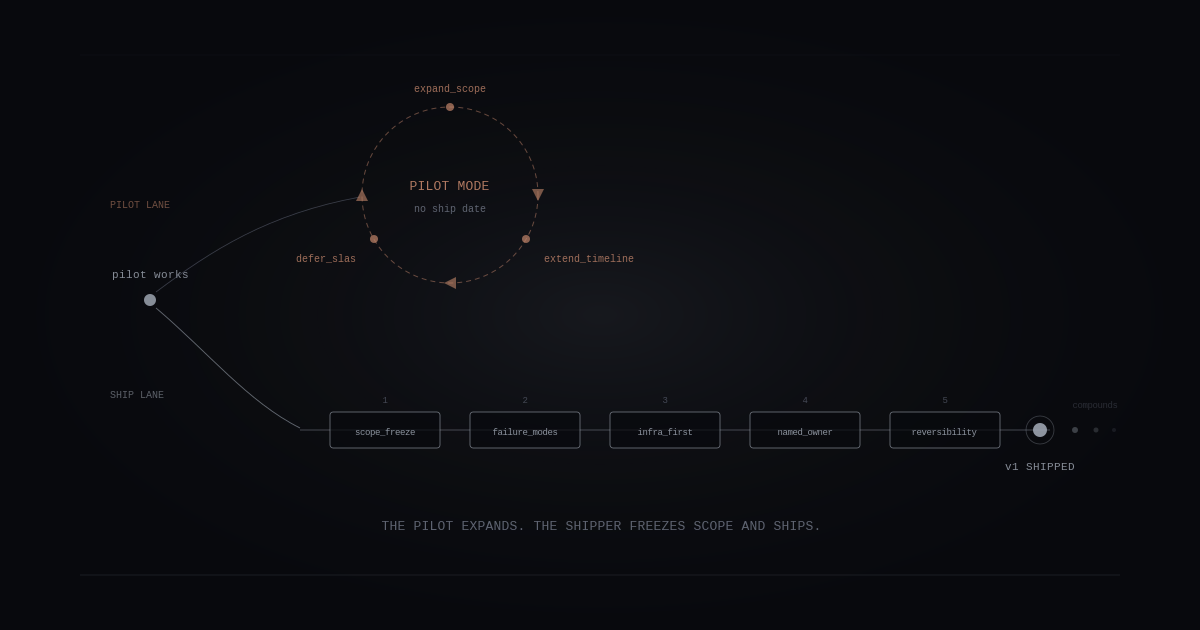
What separates AI teams that ship from teams that stay in pilot
Most AI pilots succeed. Most AI products don't. The gap isn't technical skill, it's the organizational decisions teams avoid making before the pilot ends.
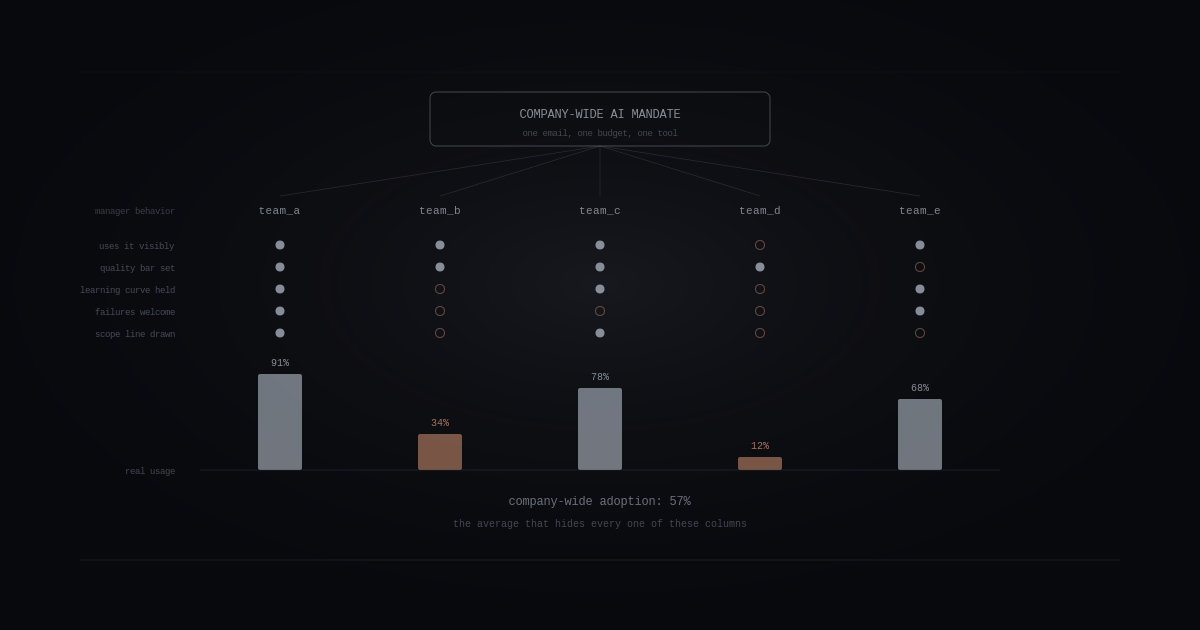
The manager's role in AI adoption
Company-wide AI mandates fail or succeed team by team. The deciding factor is usually the manager, not the tool. Here is what that role actually requires.
How to Choose an AI Platform or Partner: A Practical Evaluation Guide
Most AI vendors have never shipped to production. Here are exact questions, red flags, and criteria that separate firms that build from ones that only advise.
The State of AI in Austin, Texas: Why the Capital City Is an AI Hub
Austin's AI talent costs 15-25% less than San Francisco, backed by UT Austin research and a business-friendly state. Local businesses benefit too.

AI for Small Business: When It Makes Sense (And When It Doesn't)
A small business owner asked if AI was worth it for his company. The answer depends on your data, your process, and your budget, not your size.